In the late 1800s, self-taught potter George E. Ohr revolutionised pottery. From his home in coastal Mississippi, the eldest son of Alsatian immigrants developed an all-consuming practice and persona.
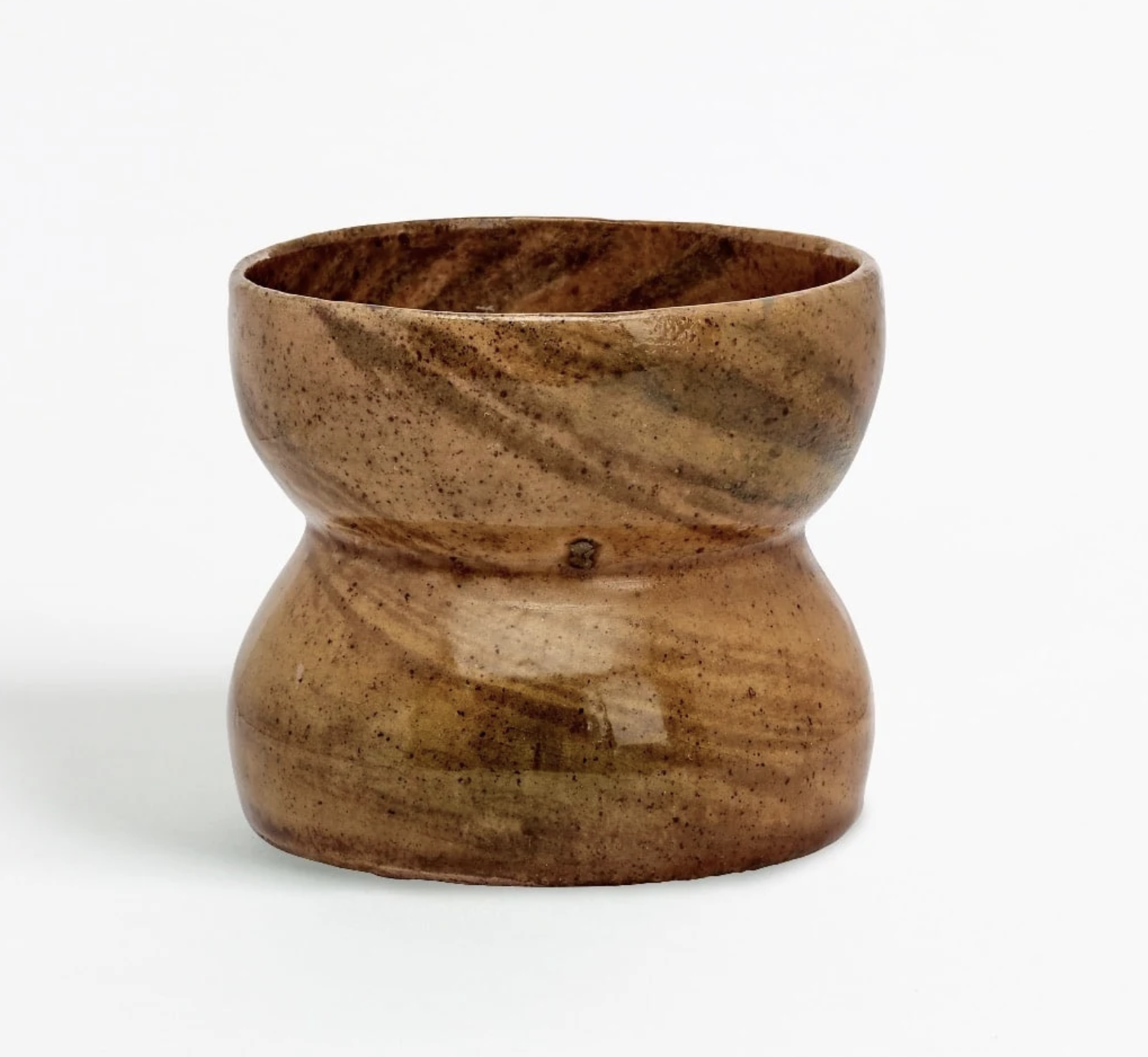
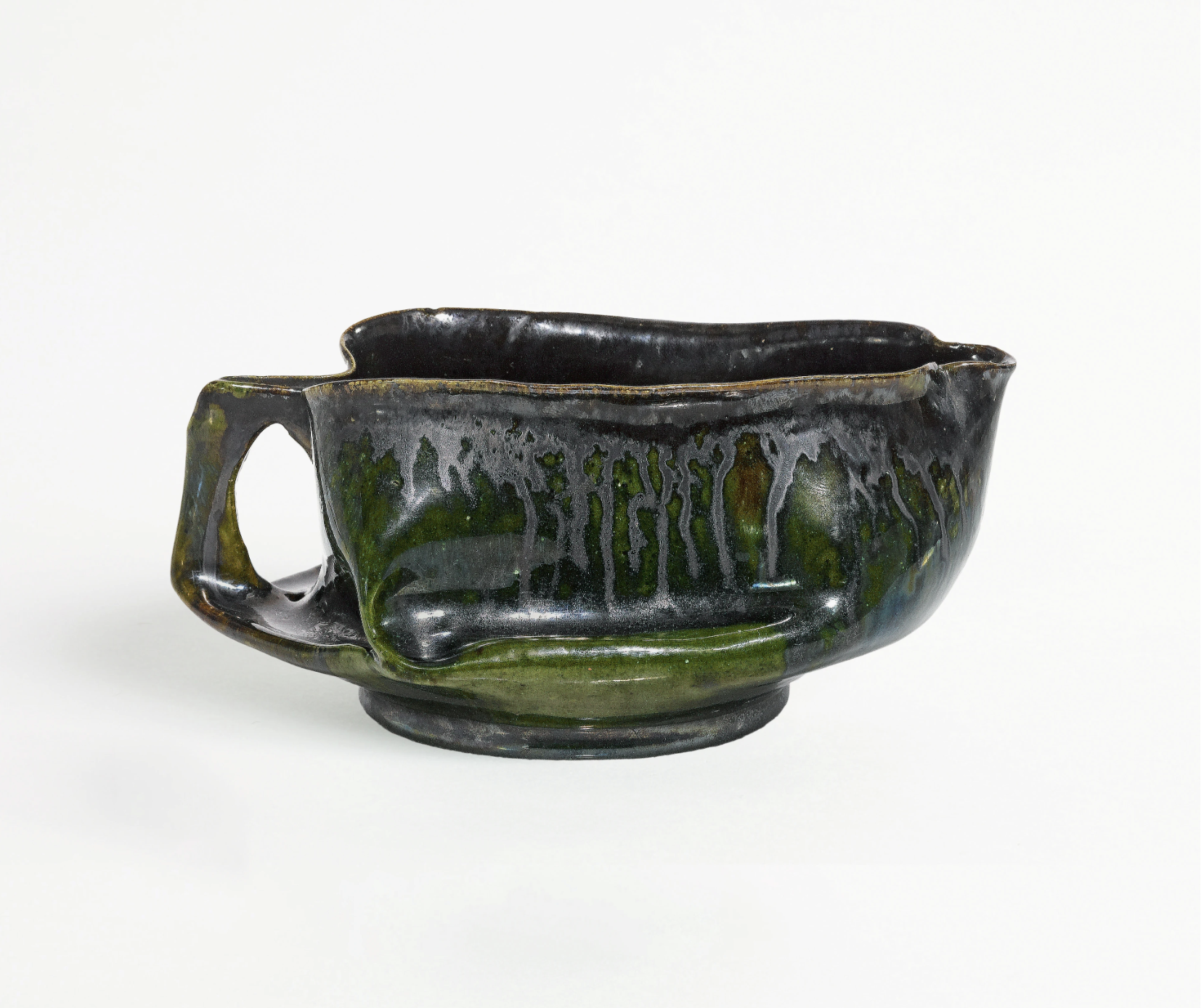
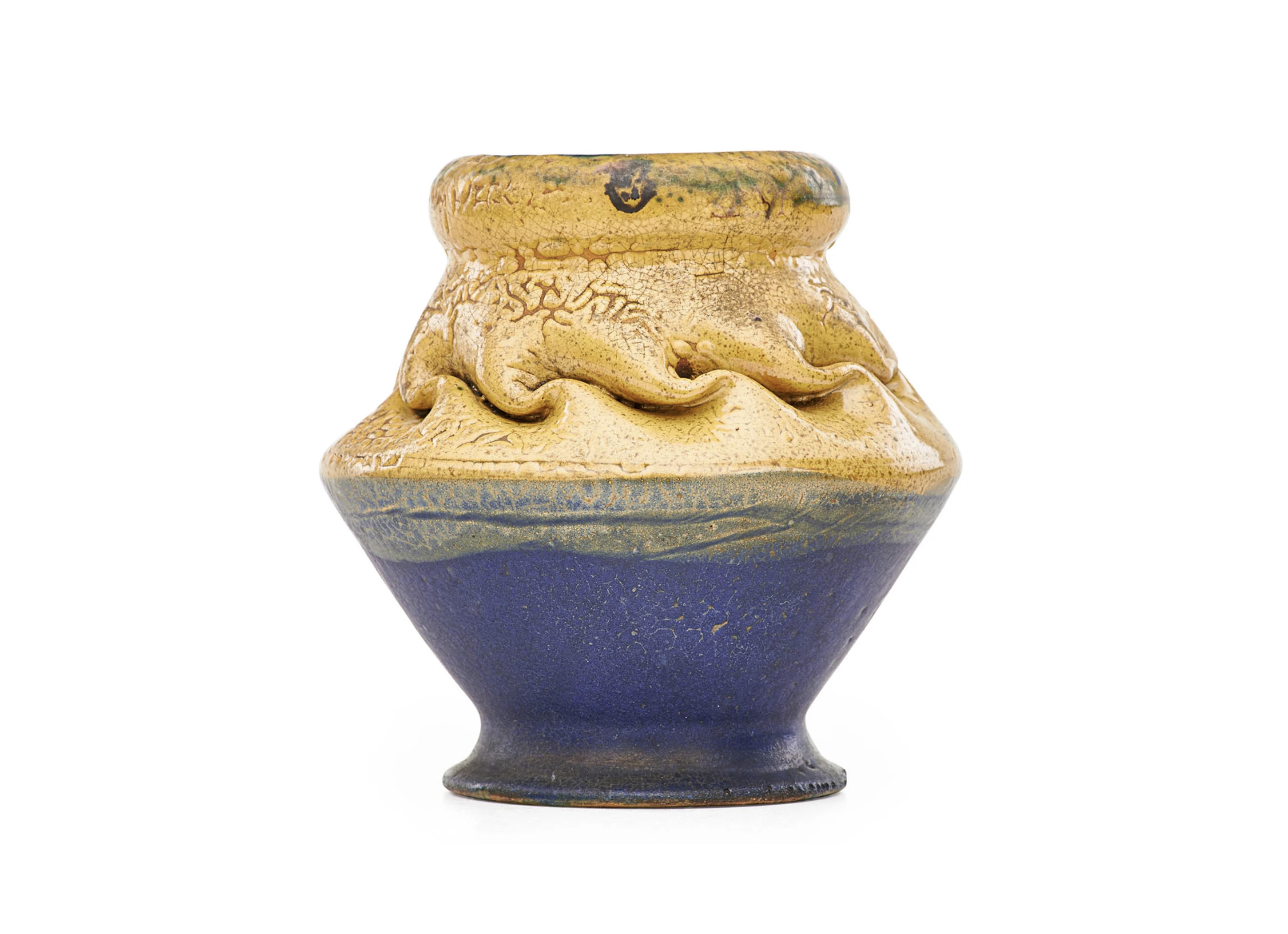
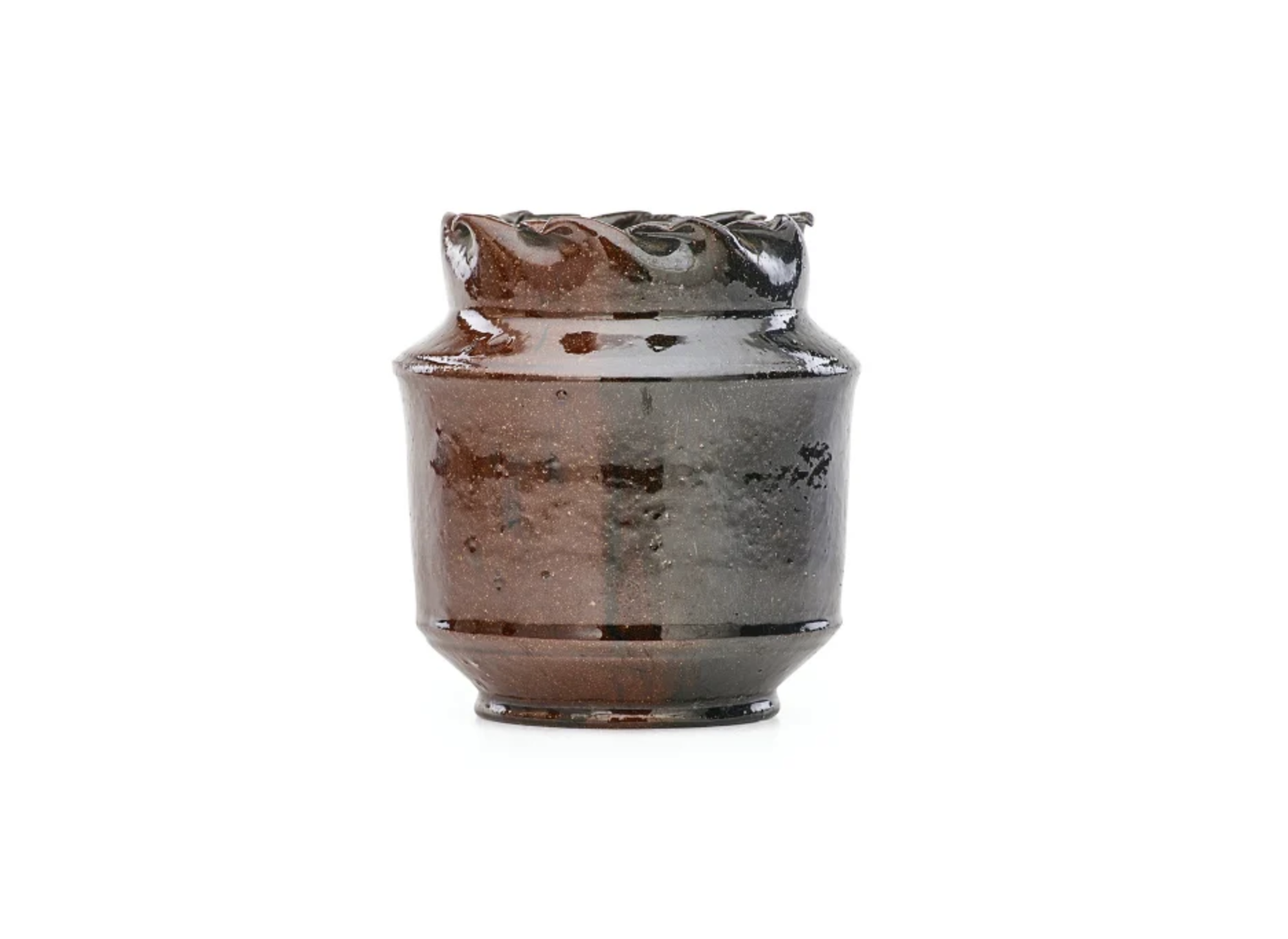
Ohr’s clay pots were precise and prolific. Their radical shapes and modern glazes marked a shift in vessel making, challenging both the art establishment and cultural conventions. Yet Ohr’s proto-abstract experiments proved too unpalatable for local taste. Throughout his lifetime, the "Mad Potter of Biloxi" was ignored, and his legacy went unrecorded in the history of American art.
That changed seventy years later when his work was rediscovered by his descendants. Heralded as a pioneer of modernist making, Ohr was soon collected and championed by David Whitney, Andy Warhol, Robert Rauschenberg, and Jasper Johns. Johns repeatedly depicted Ohr’s work in his paintings.
Posthumously embraced by his peers, Ohr’s pots found a place in the Western canon. They are now in collections at the Metropolitan Museum of Art and the Smithsonian. Frank Gehry designed a museum in Ohr’s hometown of Biloxi, and over thirty works were exhibited at the Carnegie International in Pittsburgh in 2013.
THE FOLDED FORMS OF GEORGE E OHR, NOMAD (ST. MORITZ) 2020
REGARDING GEORGE OHR: CONTEMPORARY CERAMICS IN THE SPIRIT OF THE MAD POTTER, BOCA RATON MUSEUM OF ART (MIAMI) 2017/18
THE FOLDED FORMS OF GEORGE E OHR, THE GALLERY OF EVERYTHING
AT FRIEZE MASTERS (LONDON) 2017
GEORGE OHR, CRAIG F STARR GALLERY (NEW YORK) 2015
PIERRE LEGULLION FEATURING GEORGE OHR, CARNEGIE INTERNATIONAL (PITTSBURGH) 2013
A SECRET HISTORY OF CLAY, TATE LIVERPOOL (LIVERPOOL) 2004
UP FRONT: GEORGE E OHR, MILL COLLEGE ART MUSEUM (CALIFORNIA) 2001
GEORGE OHR MODERN POTTER, SMITHSONIAN MUSEUM (WASHINGTON) 1990
GEORGE OHR: MODERN POTTER, AMERICAN CRAFT MUSEUM (NEW YORK) 1989
GEORGE OHR, MISSISSIPI STATE HISTORICAL MUSEUM (MISSISSIPPI) 1978
GEORGE OHR SOPHISTICATE AND RUBE, ELLEN J. LIPPERT (MISSISSIPPI) 2013
GEORGE OHR THE GREATEST ART POTTER ON EARTH, EUGENE HECHT (SKIRA RIZZOLI) 2013
THE MAD POTTER GEORGE E OHR ECCENTRIC GENIUS, JAN GREENBERG AND SANDRA JORDAN (NEAL PORTER) 2013
AMERICAN MASTERS OF THE MISSISSIPPI GULF COAST : GEORGE OHR, DUSTI BONGÉ, WALTER ANDERSON, RICHMOND BARTHÉ, PATTI CARR BLACK (MISSISSIPPI) 2009
GEORGE OHR, ART POTTER THE APOSTLE OF INDIVIDUALITY, ROBERT A. ELLISON JR. (SCALA) 2006
POTTERY, POLITICS, ART, GEORGE OHR AND THE BROTHERS KIRKPATRICK, RICHARD D. MOHR (UNIVERSITY OF ILLINOIS) 2003
AFTER THE FIRE GEORGE OHR: AN AMERICAN GENIUS, EUGENE HECHT (ARTS AND CRAFTS QUARTERLY) 1994THE MAD POTTER OF BILOXI THE ART AND LIFE OF GEORGE E OHR, GARTH CLARK, ROBERT A. ELLISON, JR. AND EUGENE HECHT (ABBEVILLE) 1989