&body=Dear Gallery,%0D%0A%0D%0AI am interested in the following artwork:%0D%0A%0D%0AName: Untitled, c 1880s ()%0D%0AMedium: ink on paper%0D%0ADimensions: 21.5 x 18.5 cm 8 1/2 x 7 1/4 in%0D%0AArtwork: /cms/resources/bsc-51-emile-josome-hodinos-3.png%0D%0APage URL: %0D%0A%0D%0APlease could you send me details and price.%0D%0A%0D%0ANAME:%0D%0AEMAIL:%0D%0APHONE:%0D%0A%0D%0A)
CURRENCY EXCHANGE
04.06.26 > 10.08.26
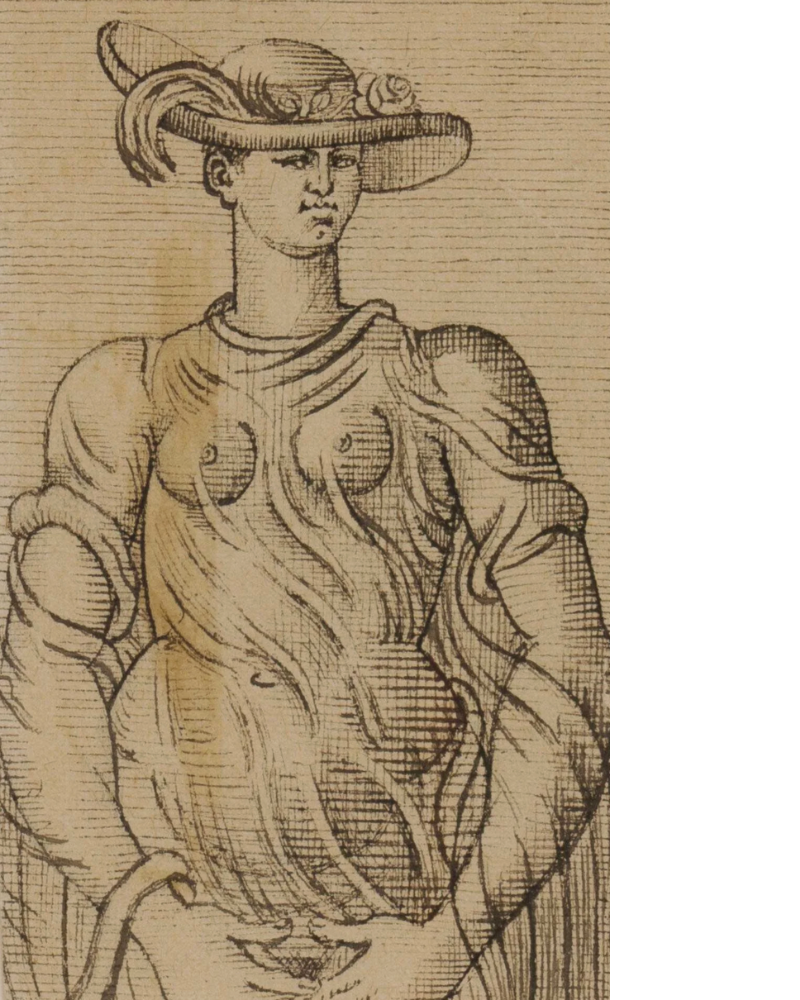
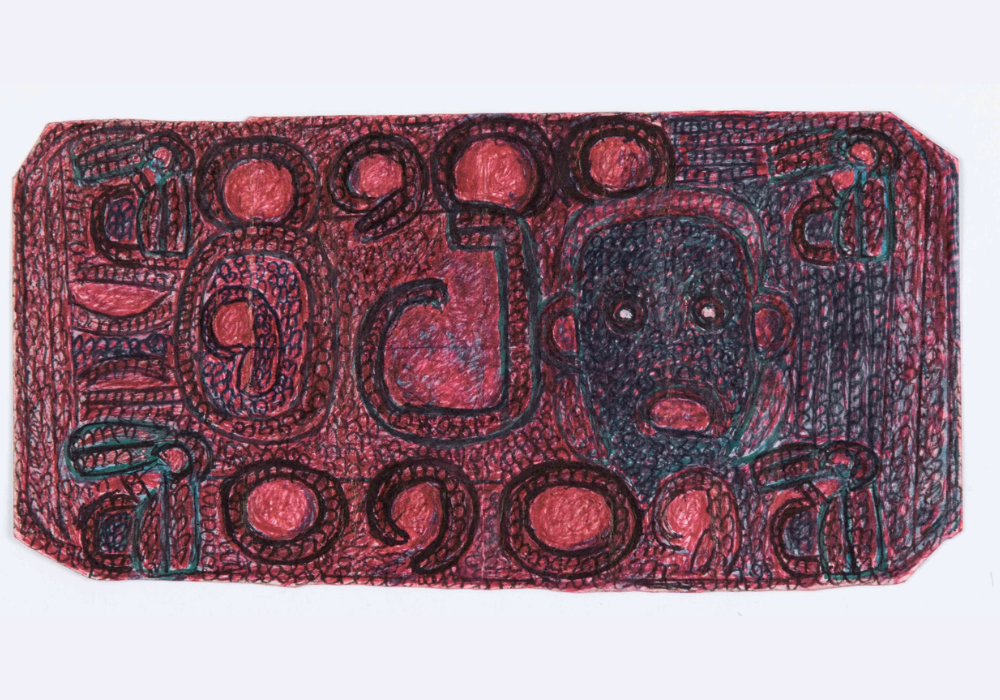
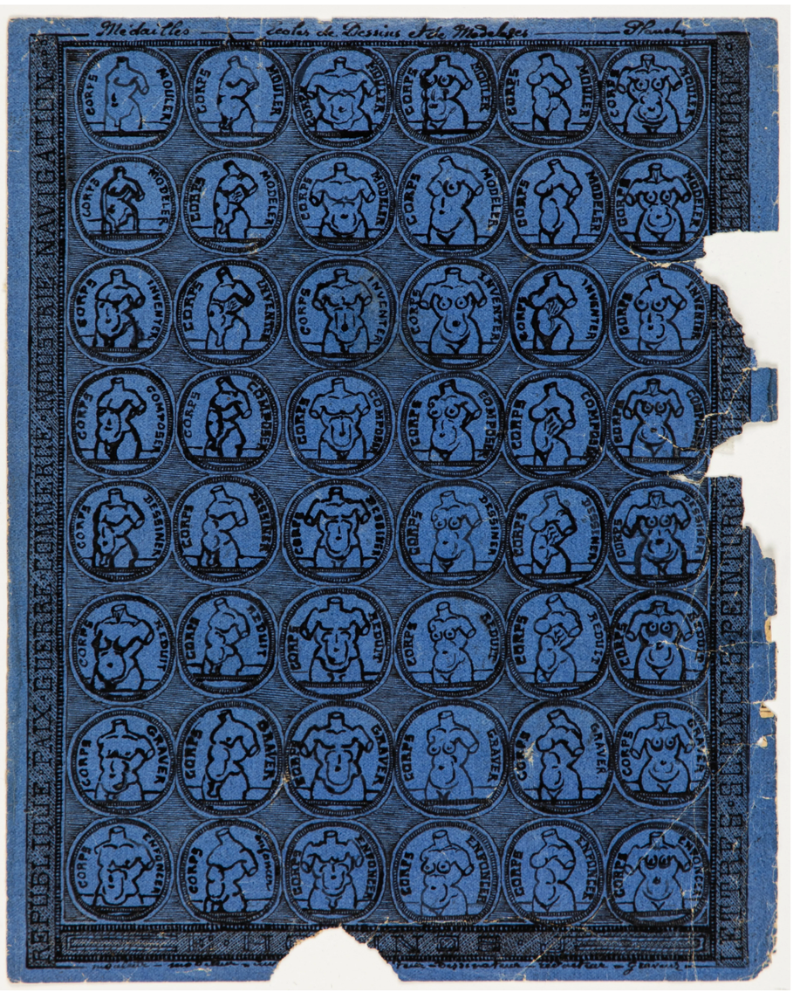
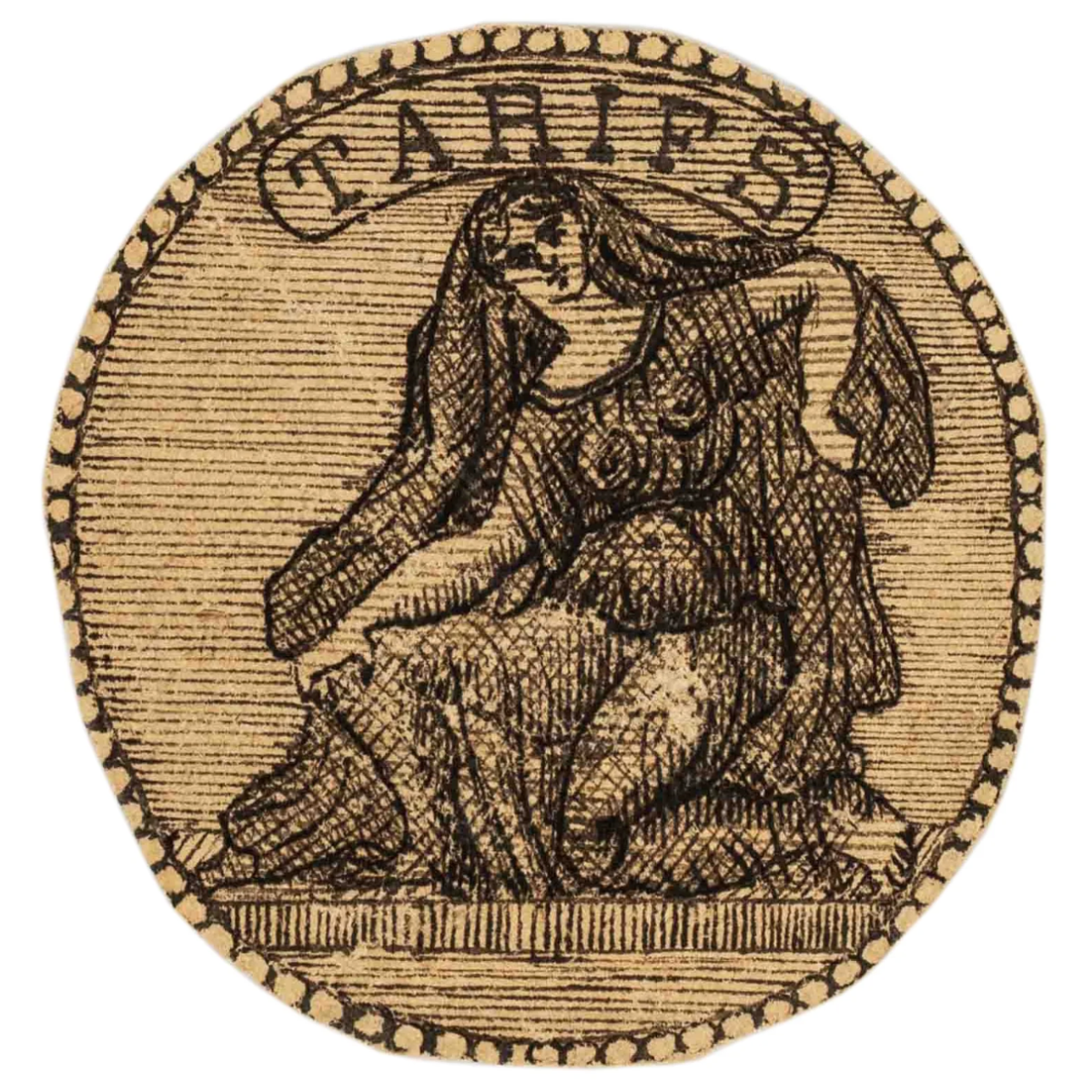
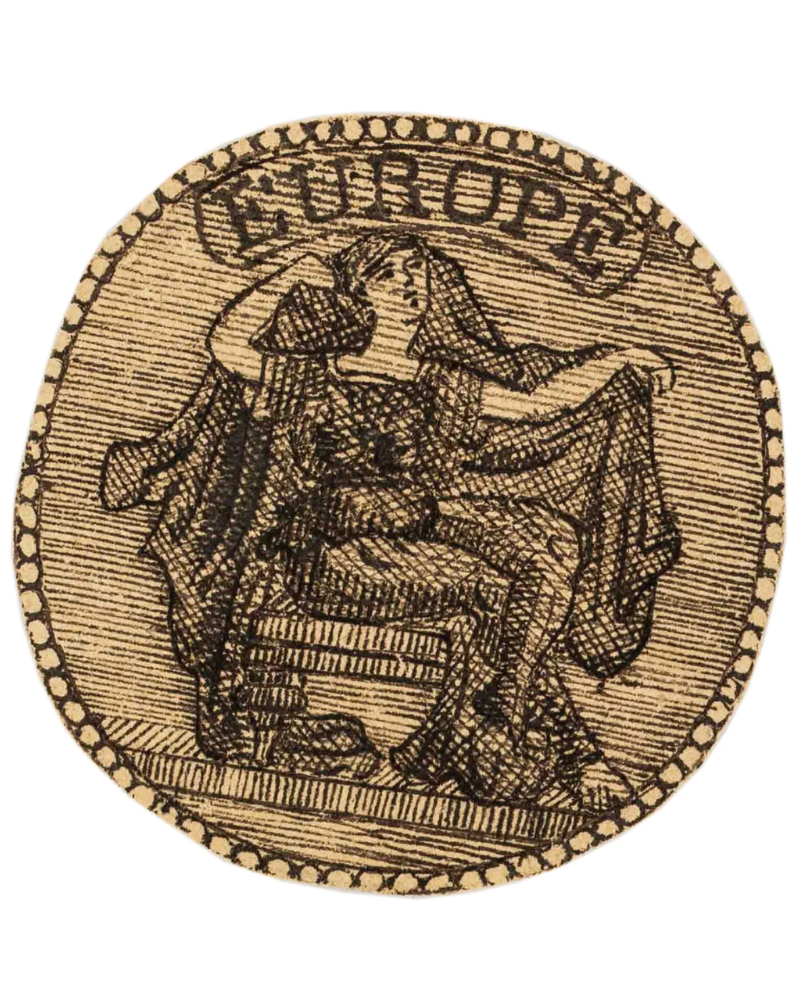
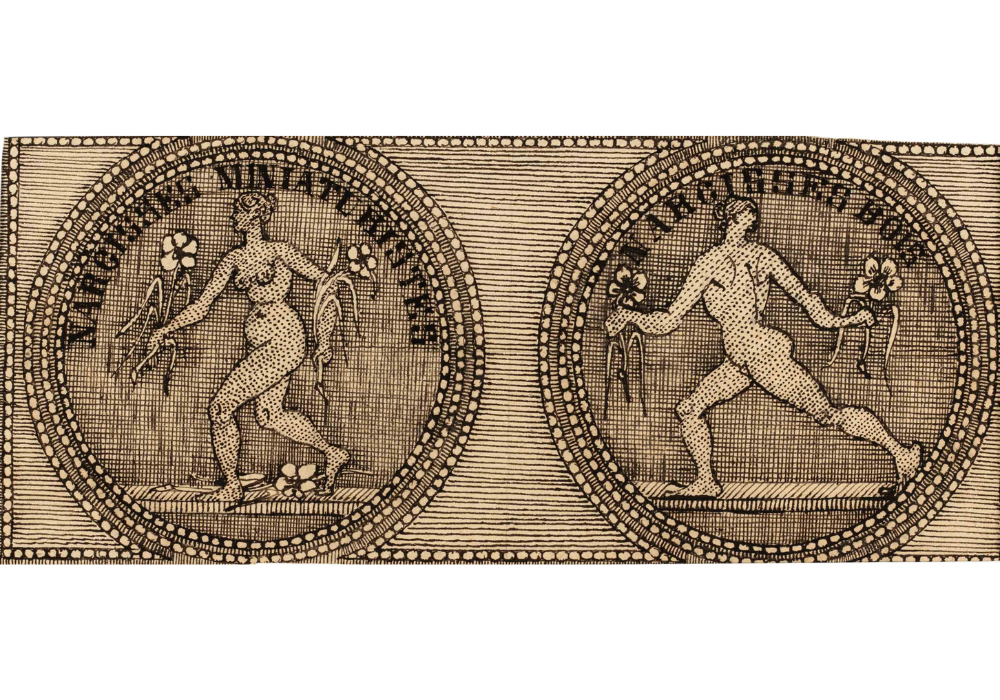
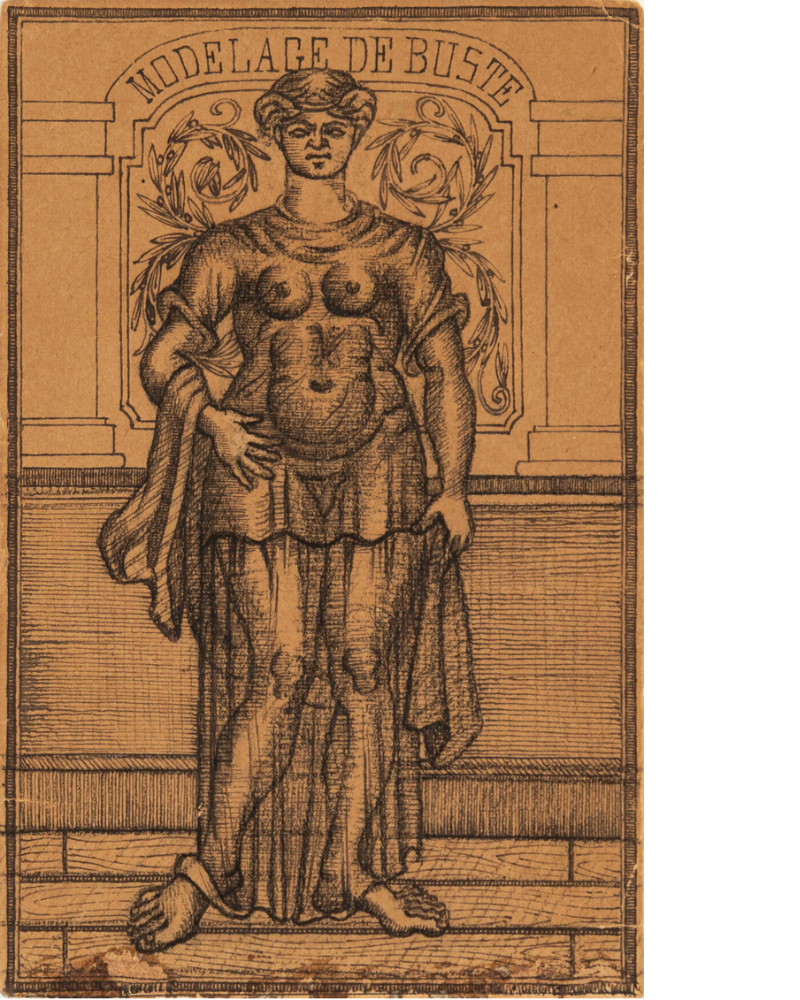
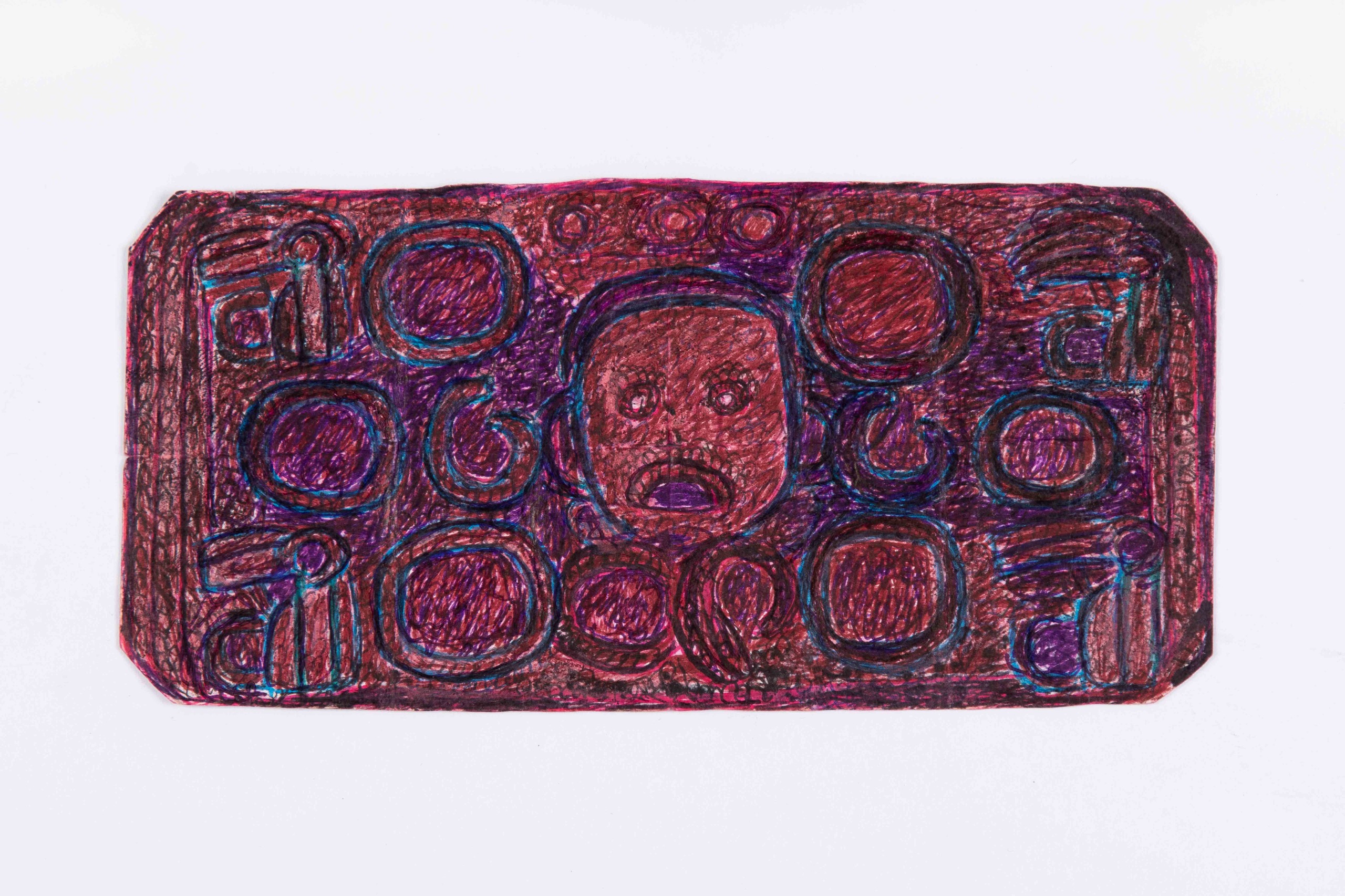
Opening at The Gallery of Everything this week is Currency Exchange, an examination of numismatic figuration through fictional financial instruments, private economies and imaginary medallions.
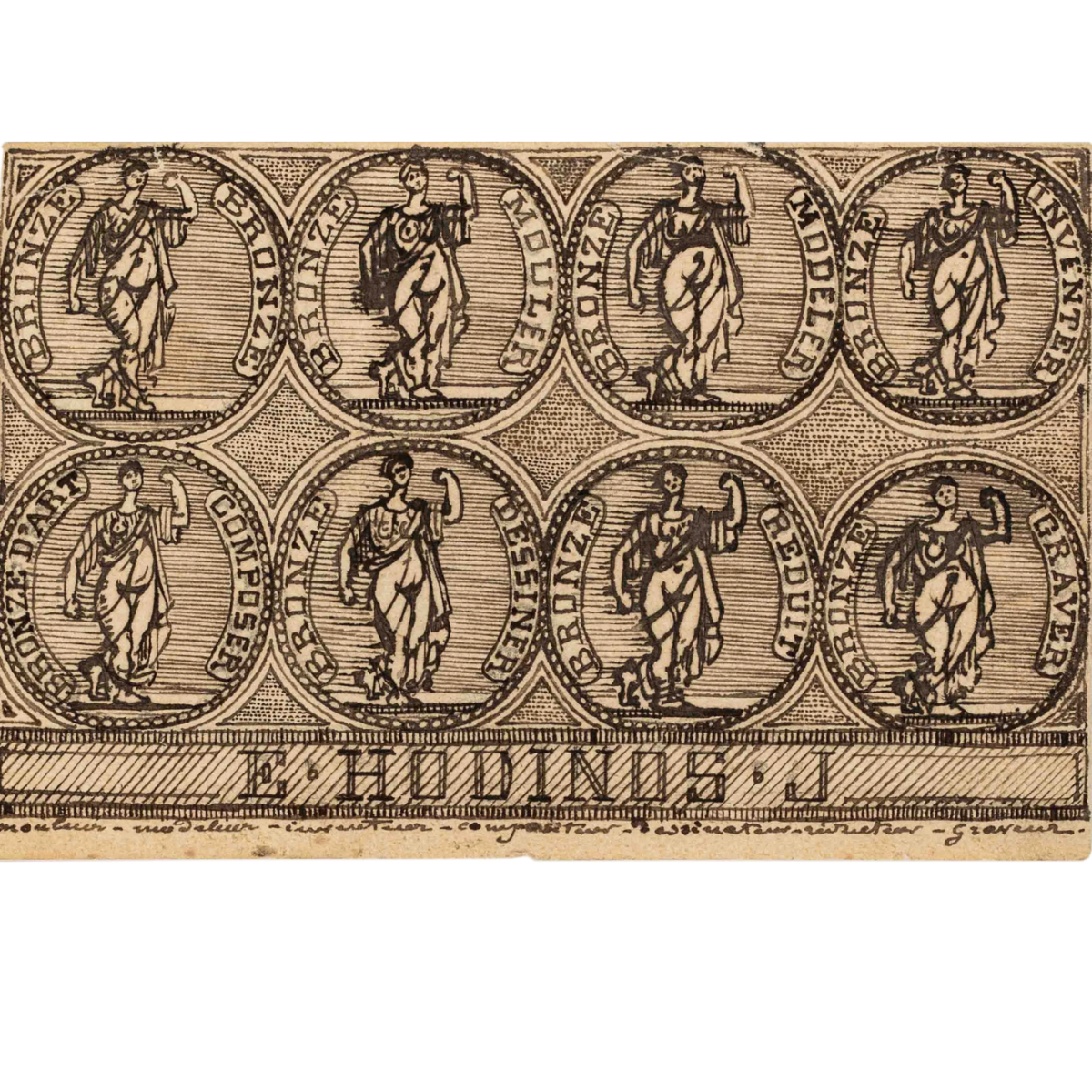
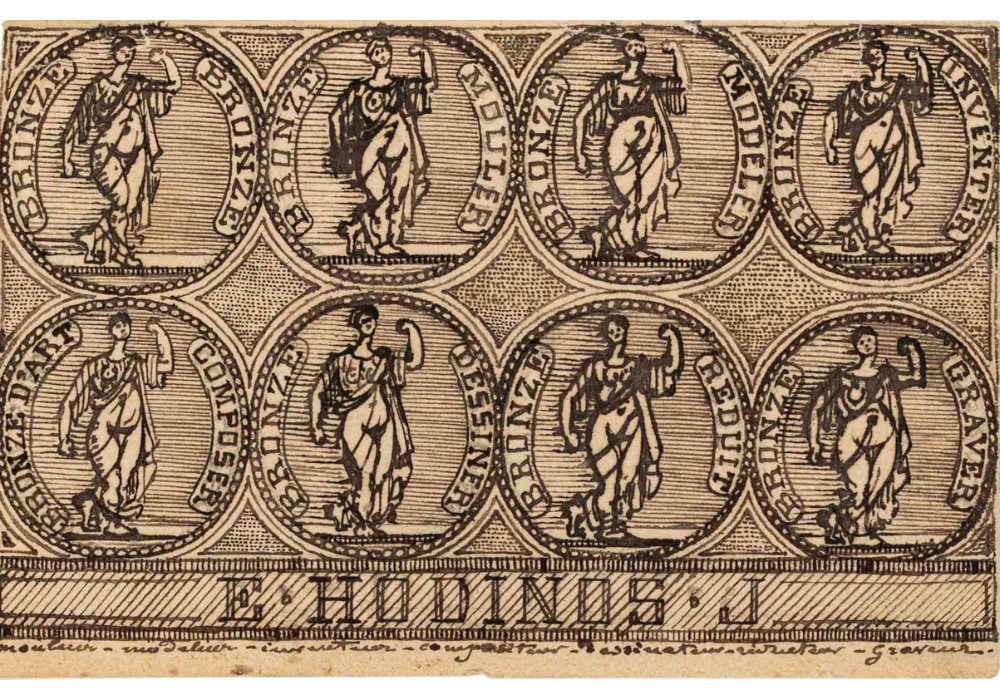
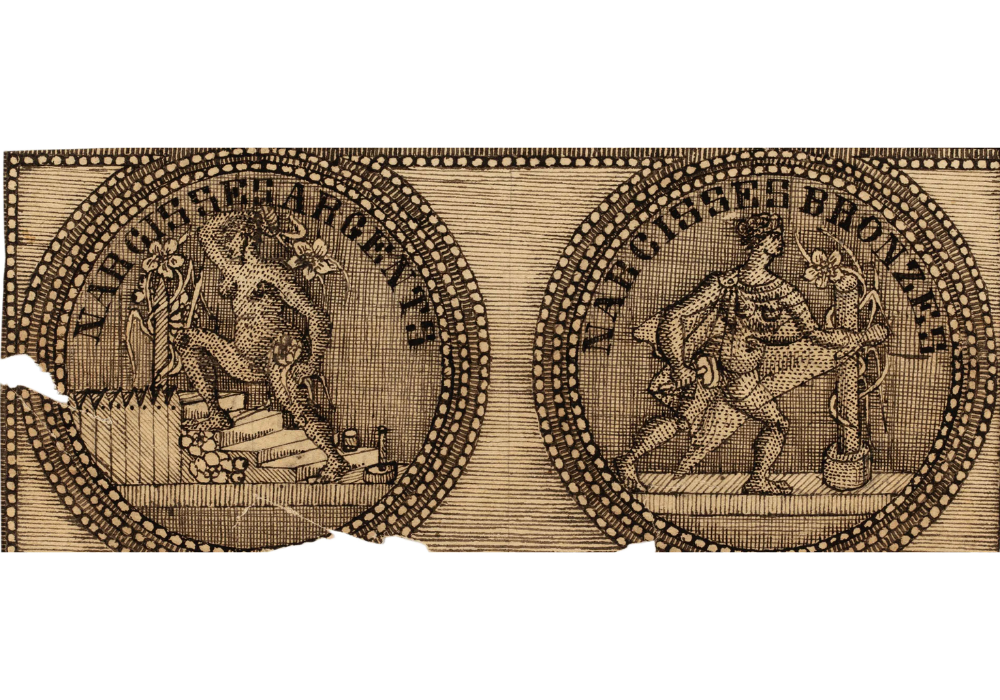
The four artists on display remain, in different ways, outside the reach of the art-historical narrative. Yet several have featured in meaningful exhibitions, notably Emile Josome Hodinos (1853 - 1905), the adopted name of Joseph Ernest Ménétrier.
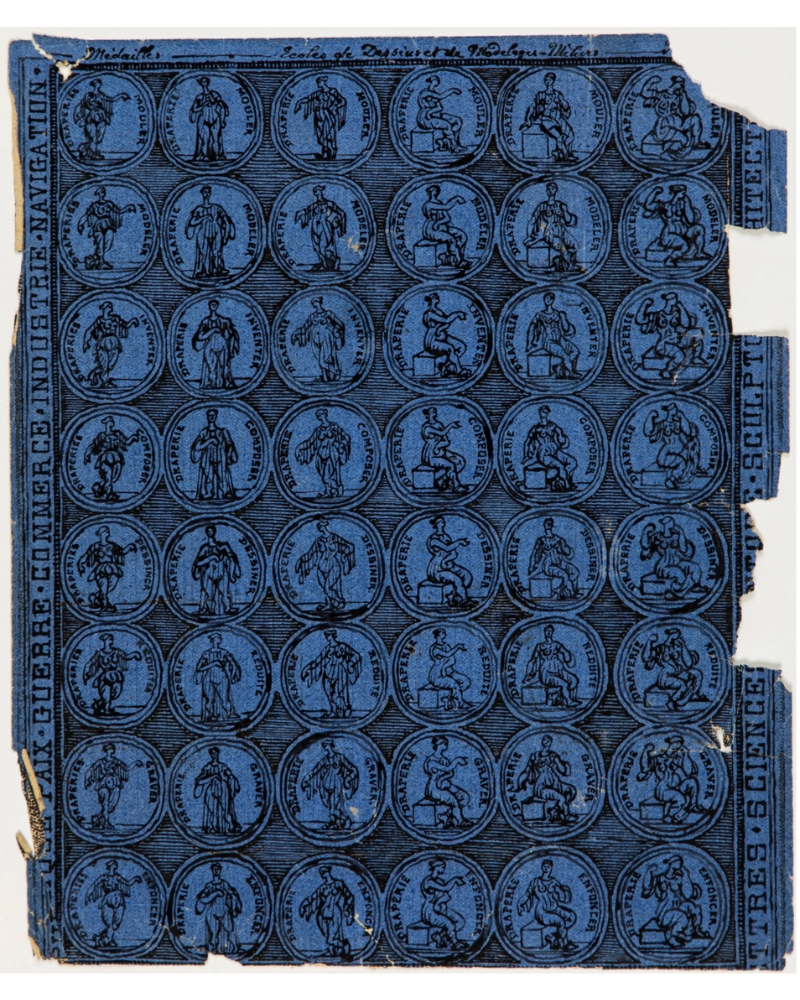
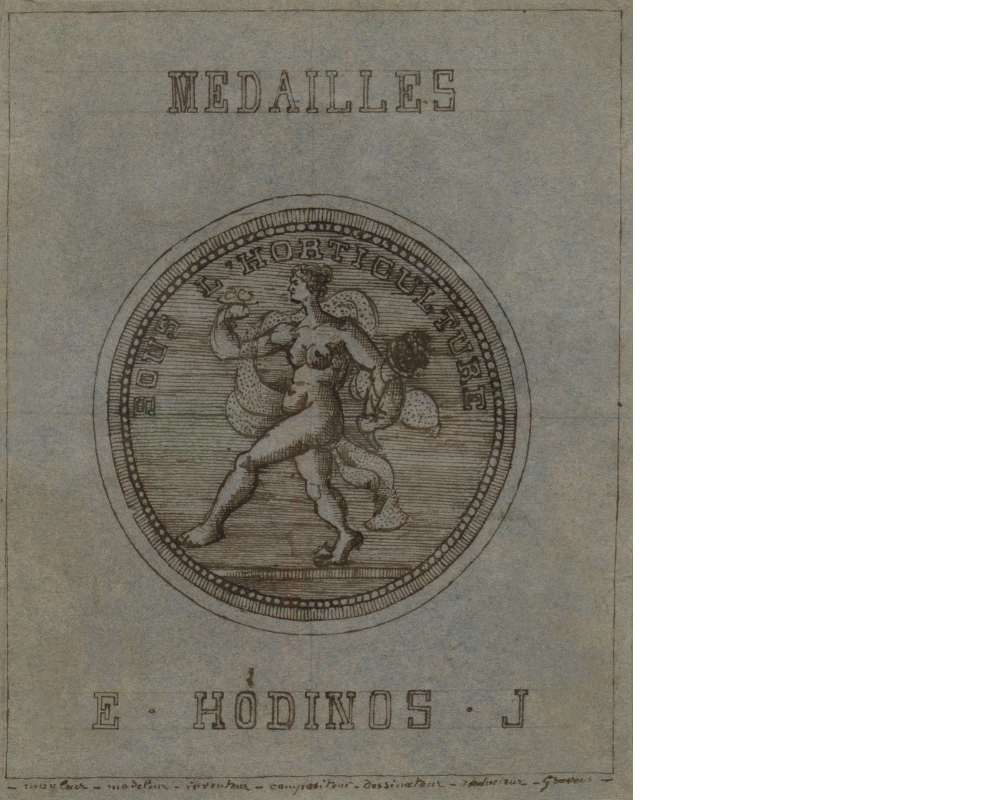
Born in Paris in 1853, Ménétrier trained as an engraver under the acclaimed French medallist Paulin Tasset. Yet it was his internment at the Ville-Évrard hospital at the age of 23 which enabled him to fulfil his creative vision. With the hospital as a studio, Ménétrier adopted the pseudonym Hodinos and commenced a lifetime opus. A series of medals, coins and currencies, drawn onto scraps of found paper and food wrappers, and populated by allegorical figures, decorative borders, cryptic civic mottos and a tableau from Greek and Roman times.
After his death, Hodinos’ work was discovered by the French psychiatrist Auguste Marie, who included it in his 1905 project, Le Musée de la Folie. It subsequently found its way into significant collections and into the hands of Ladislaus Szecsi, who donated a work to the Museum of Modern Art. It was at this point that Hodinos was included by Alfred Barr in his seminal exhibition Fantastic Art, Dada, Surrealism, held at MoMA in 1936/37.
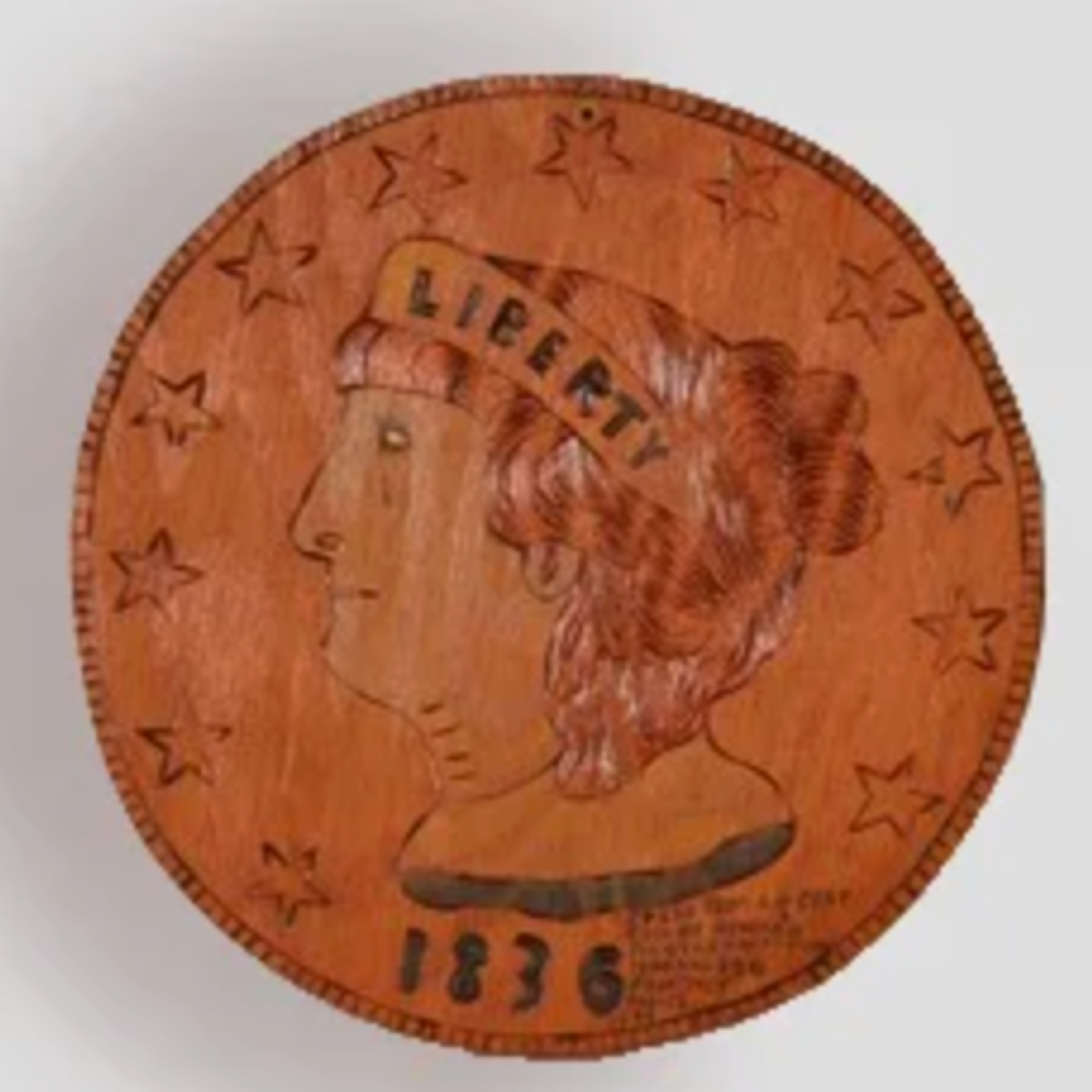
Other artists provide the exhibition with its contemporary and transatlantic counterpoint. Each constructs a system of value from outside the sanctioned logic of money: bank notes drawn in a Brazilian psychiatric hospital by Raimundo Camilo (b 1939/43); two painted wooden coins by Howard Finster (1916 - 2001), the American preacher and visionary environment-maker, who transforms the object of exchange into a carrier of sacred instruction; and private currencies whose authority derives not from state or market, but from belief, memory and compulsion, by an anonymous maker.
Currency Exchange asks the viewer to examine the meaning of physical currency at a time when it is in decline, replaced by credit cards, banking apps, digital markets and crypto currencies: what we lose when money dematerialises, and what these handmade instruments might still tell us about trust, authorship and the human need to make value visible.
To view the artworks, please click below. For a wider selection, please contact the gallery.